
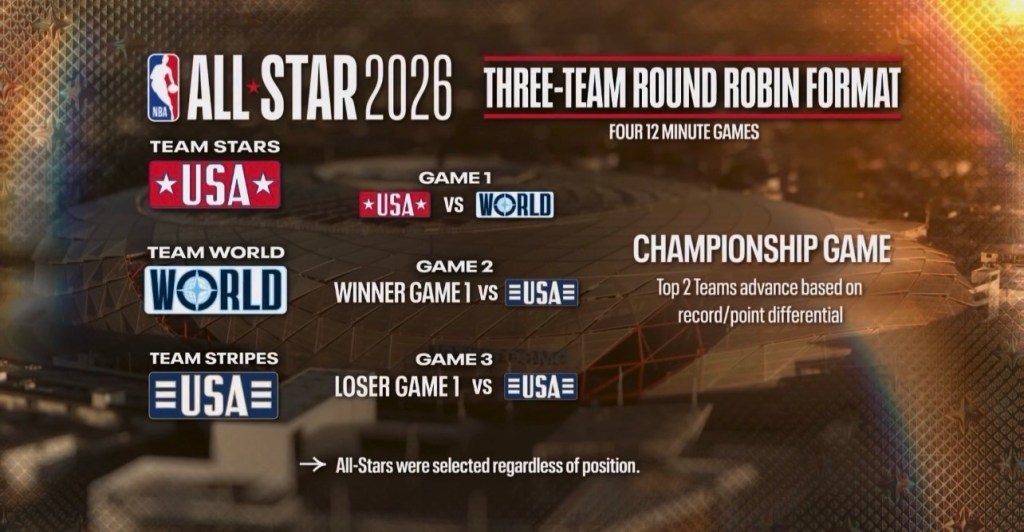
INGLEWOOD — The NBA’s revised three-team All-Star format immediately changed the tone of its midseason showcase, bringing noticeable competitiveness to the early rounds of the 75th NBA All-Star Game at the Intuit Dome in Inglewood, California. With Team USA Stars, Team USA Stripes, and Team World competing in a round-robin format of shortened games, urgency replaced the casual rhythm that had defined previous years.
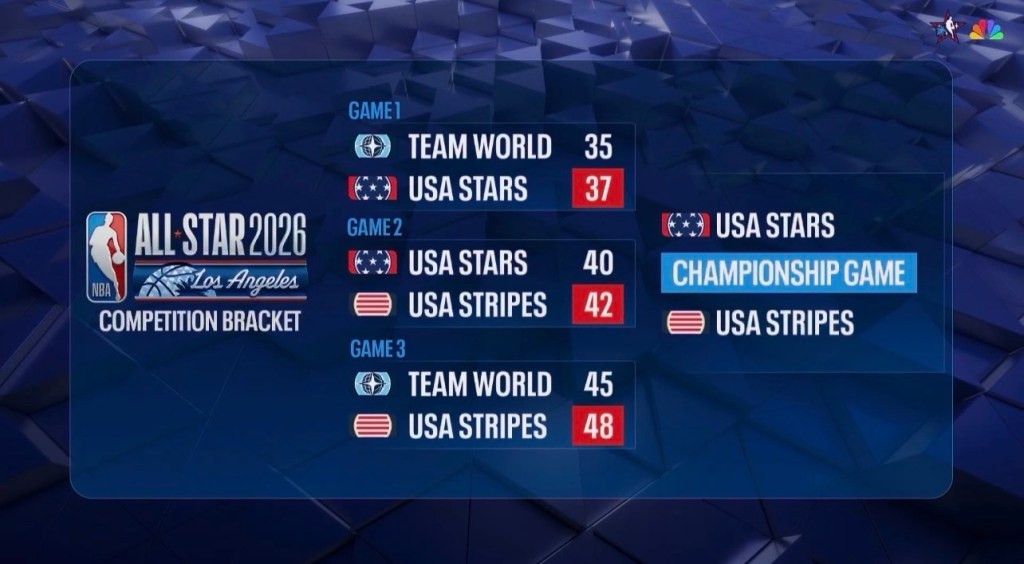
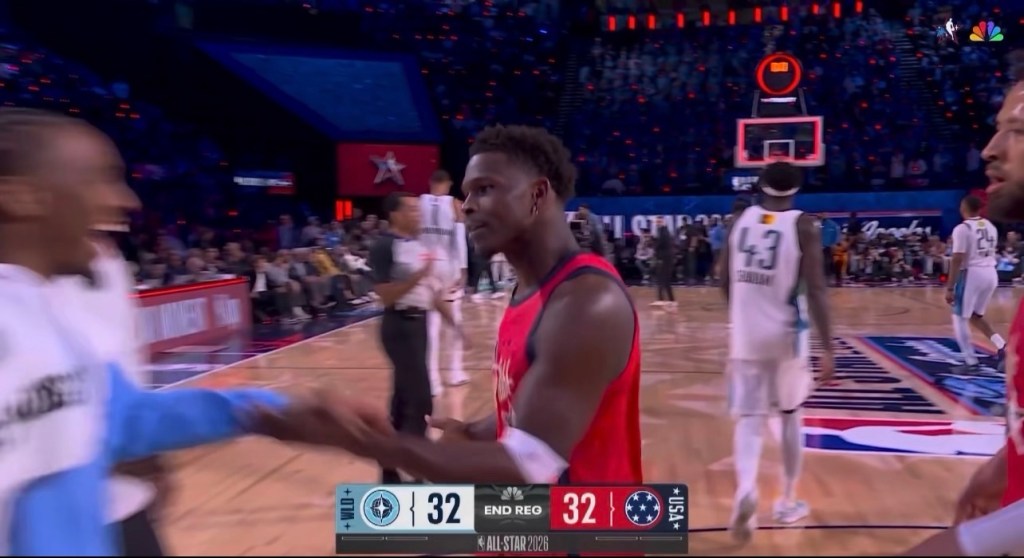
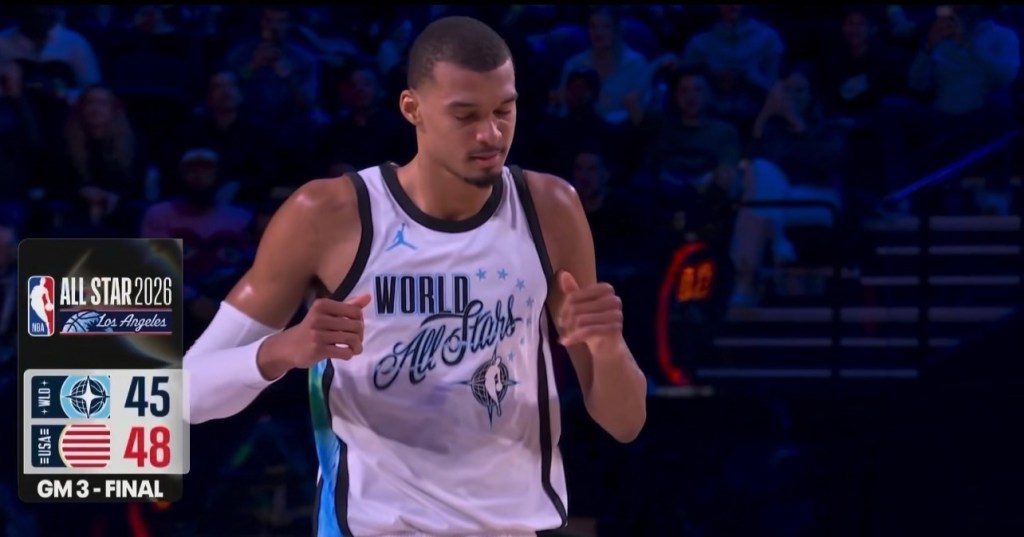
That intensity began with individual effort. Team World’s Victor Wembanyama played with a visible desire to win possessions rather than simply participate. Anthony Edwards matched that energy for Team USA Stars, and the competitive tone quickly spread across all three teams. The impact was reflected on the scoreboard. Each of the first three matchups was decided by three points or fewer.
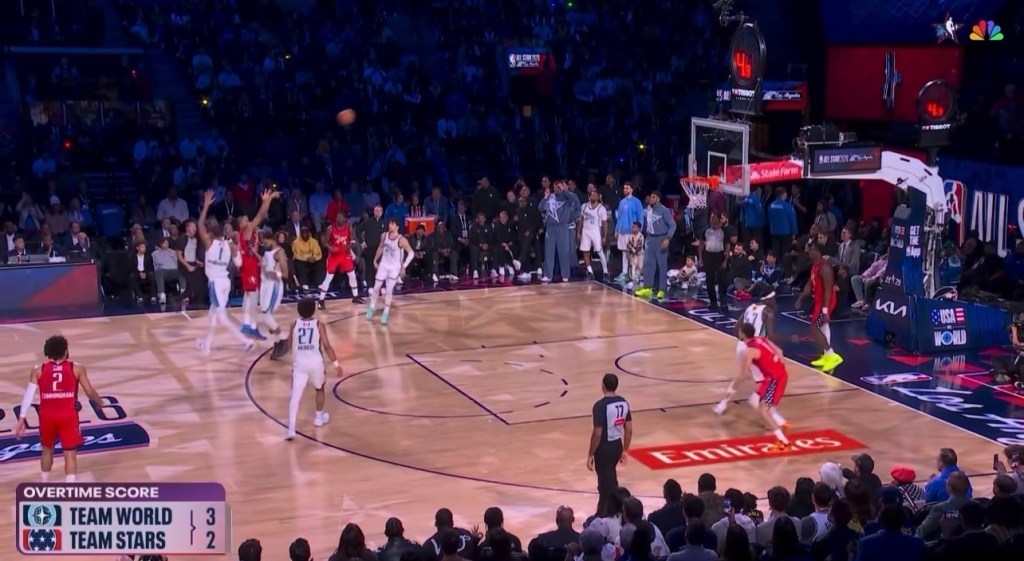
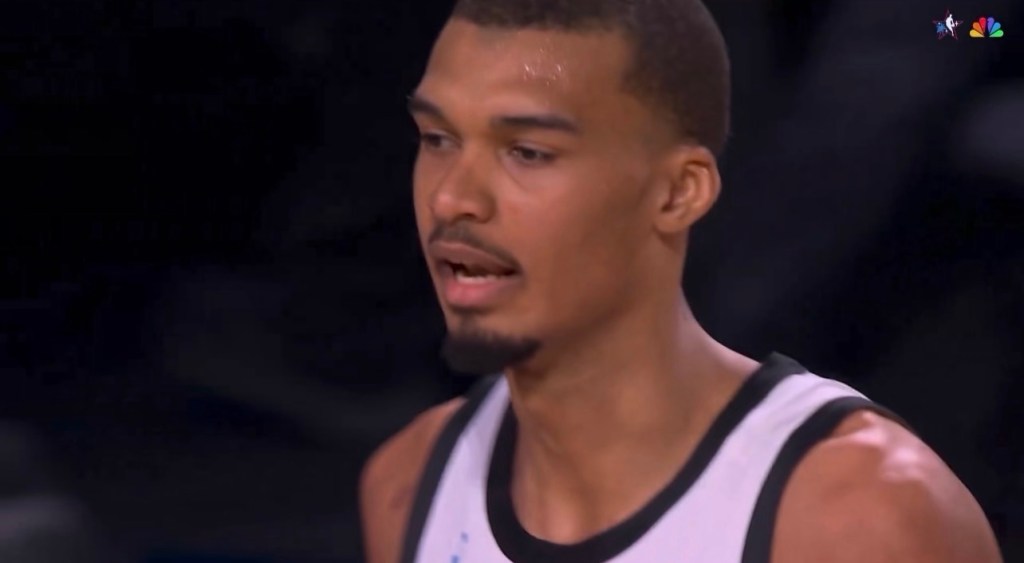
Game one between Team World and Team USA Stars was decided by just two points after Scottie Barnes hit a three-point buzzer-beater in overtime. Wembanyama’s visible frustration underscored how seriously the moment was taken.
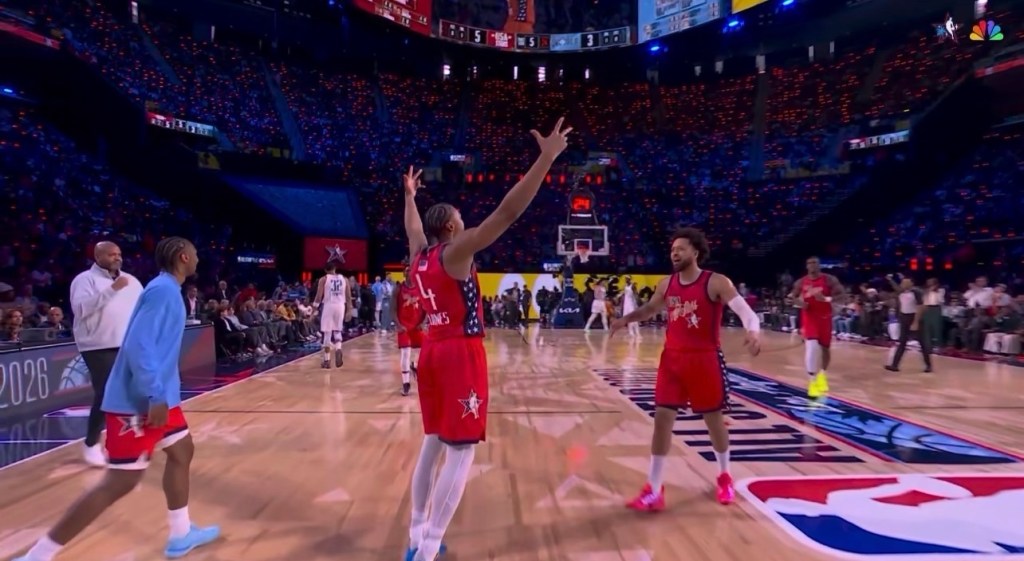
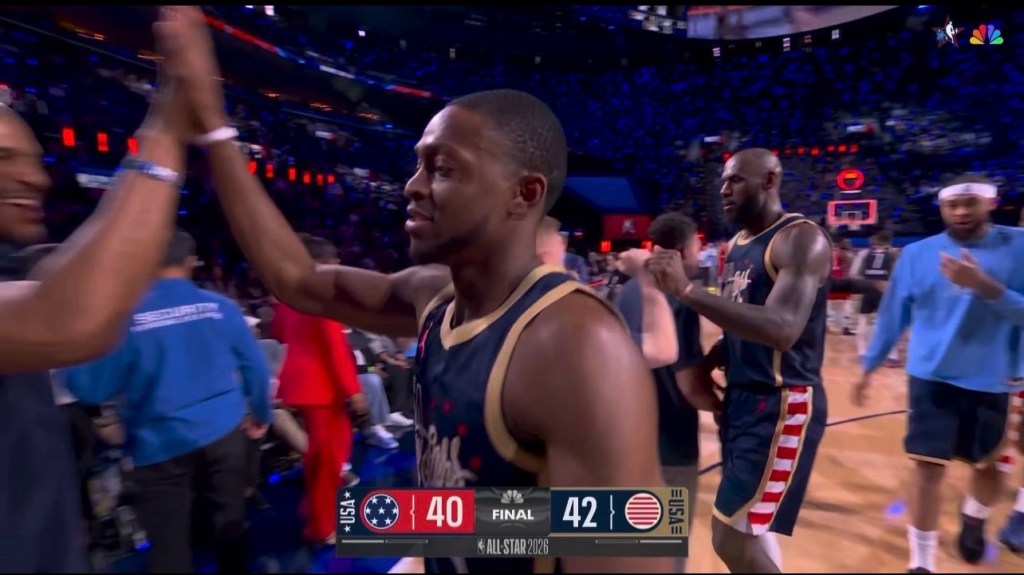
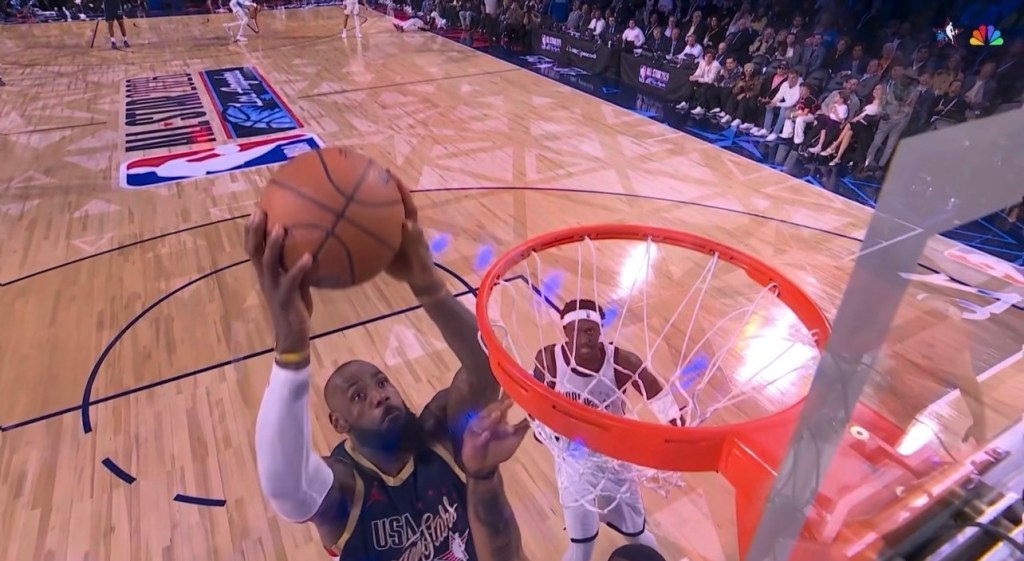
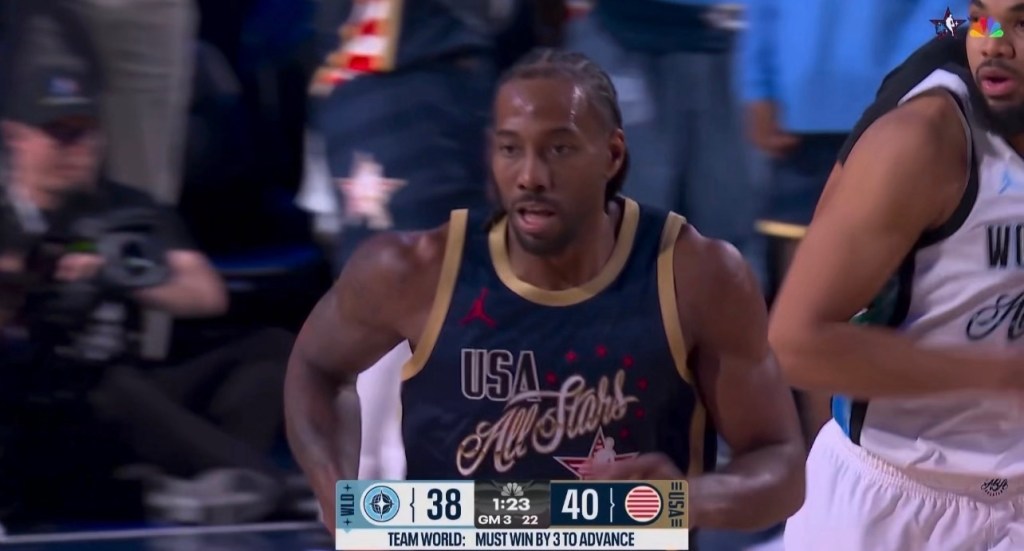
Game two followed a similar pattern. De’Aaron Fox knocked down a buzzer-beating three-pointer to lift Team USA Stripes to a 42–40 win over Team USA Stars. Stripes featured veteran All-Stars including LeBron James, Kevin Durant, and Kawhi Leonard.
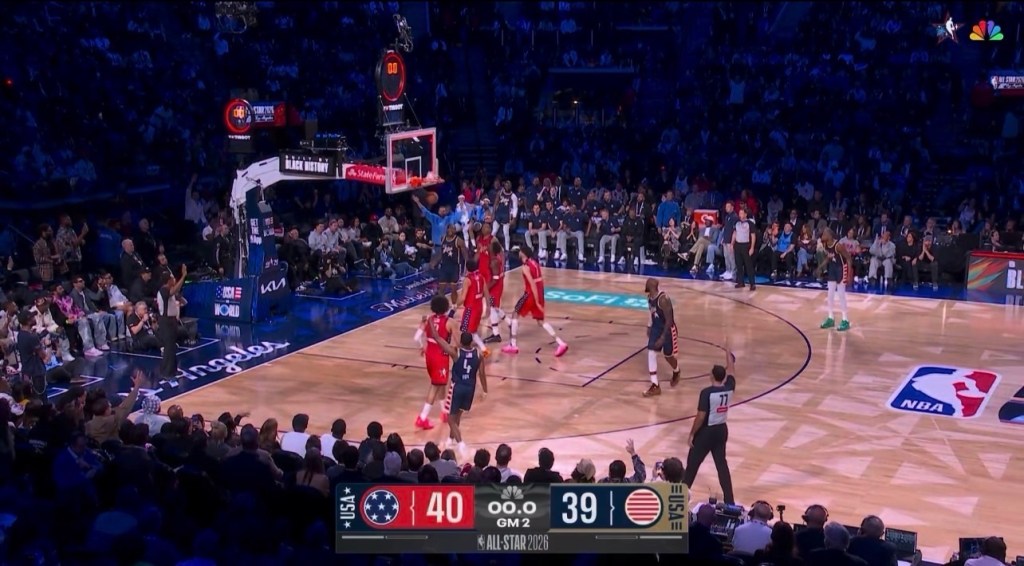
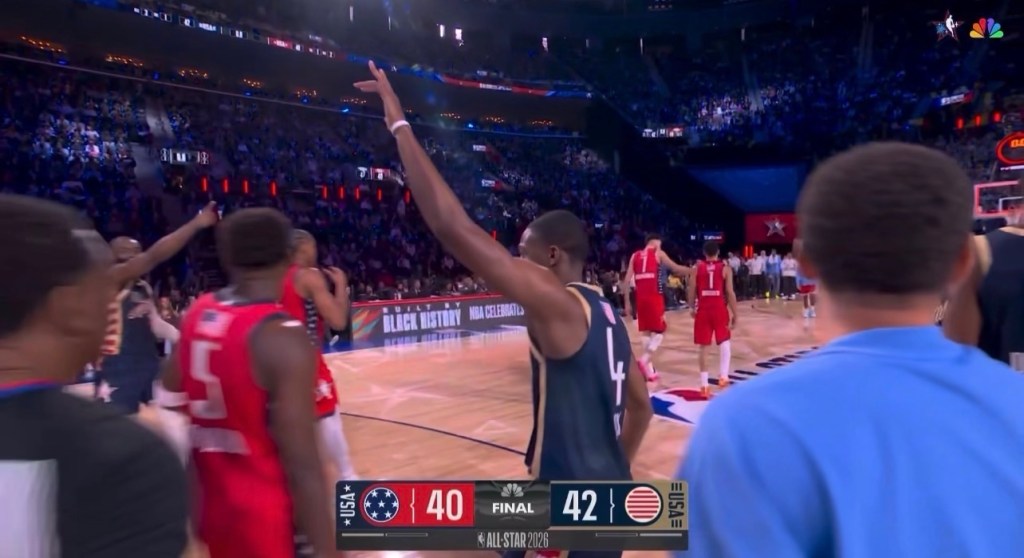
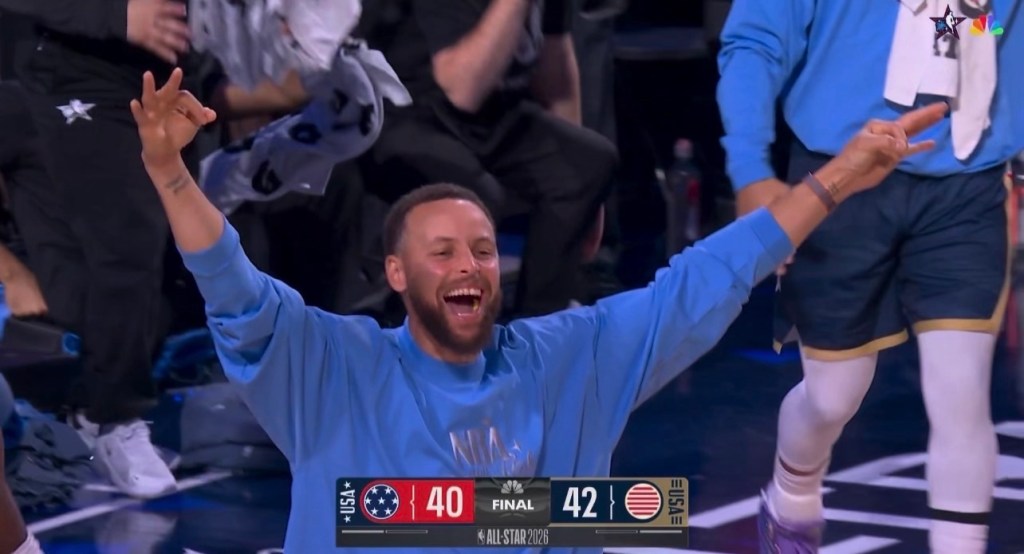
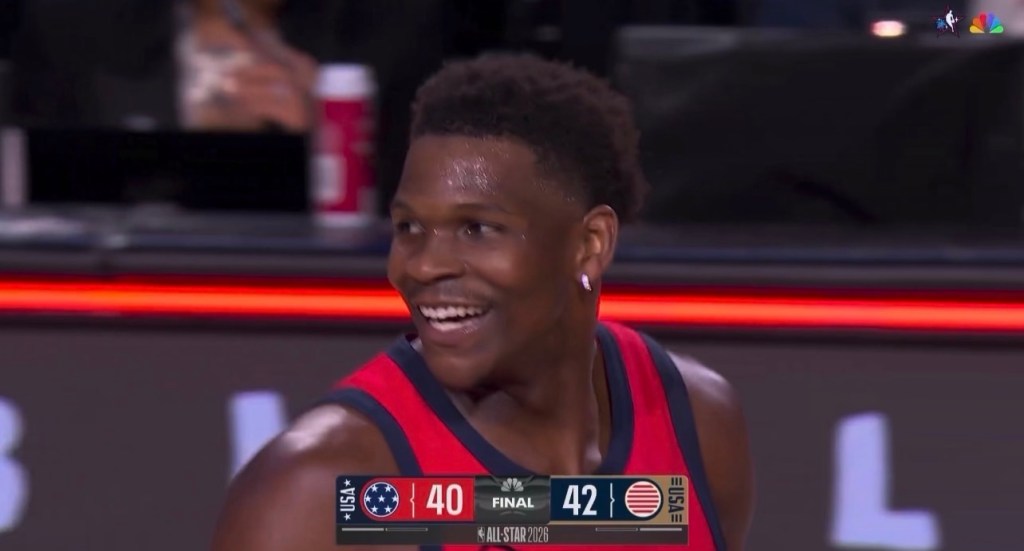
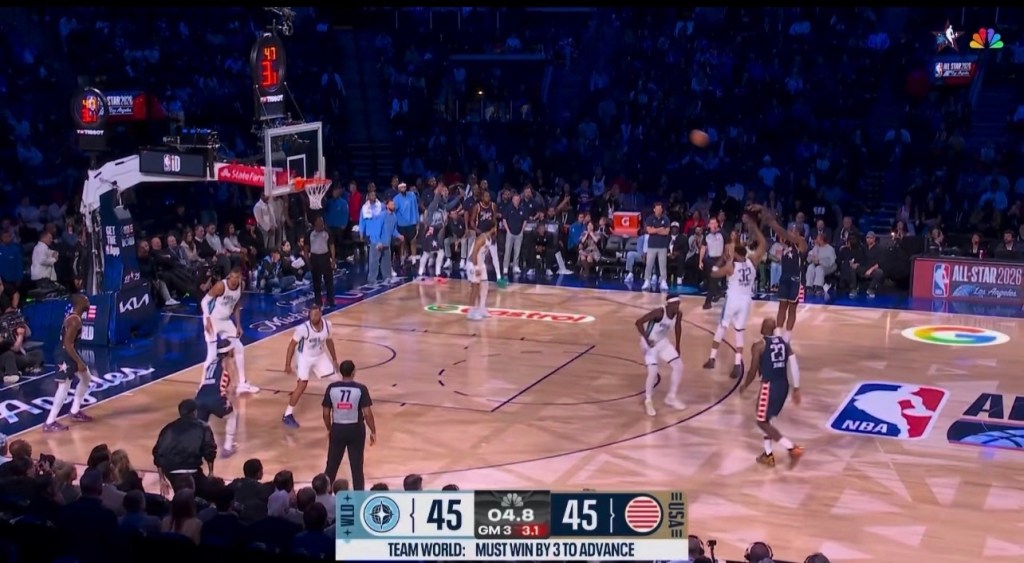
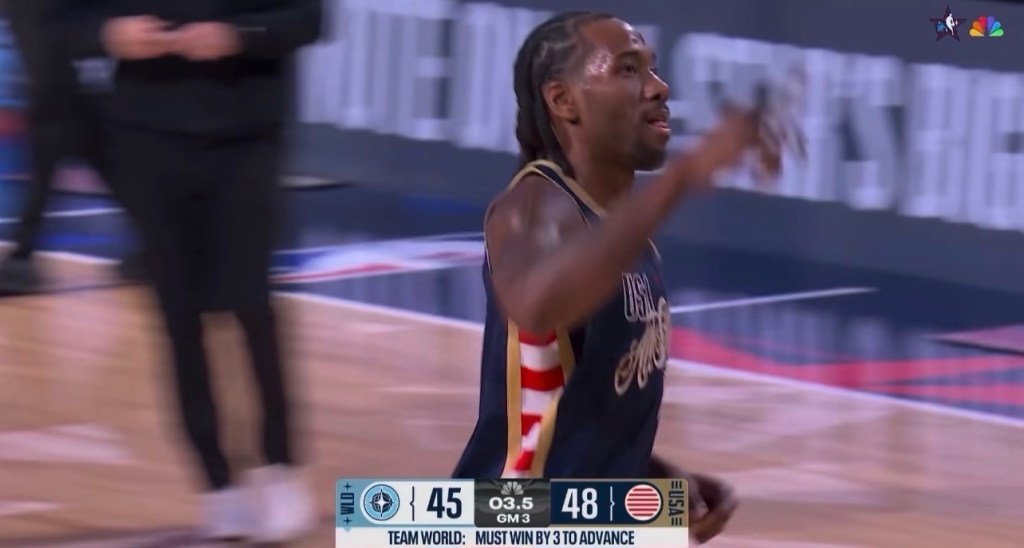
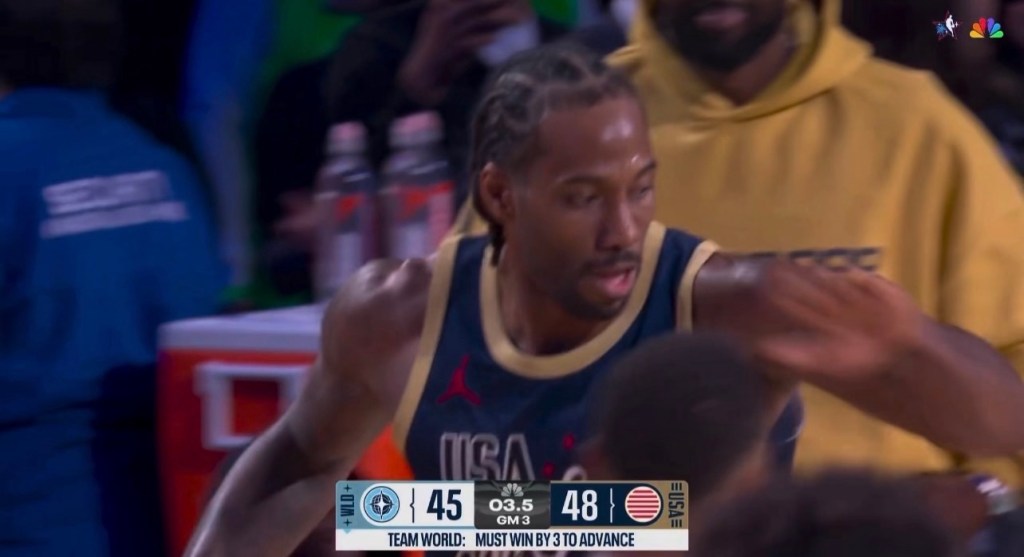
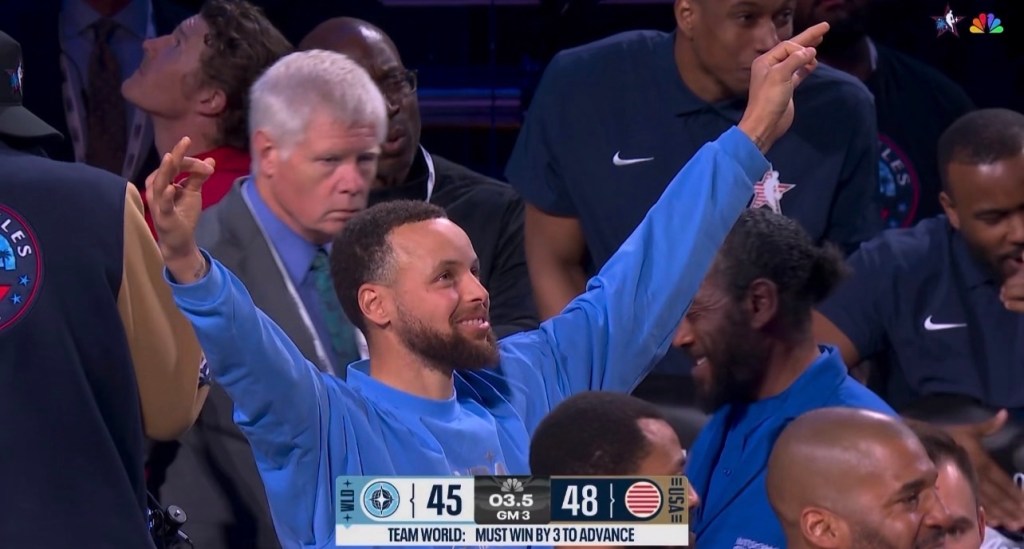
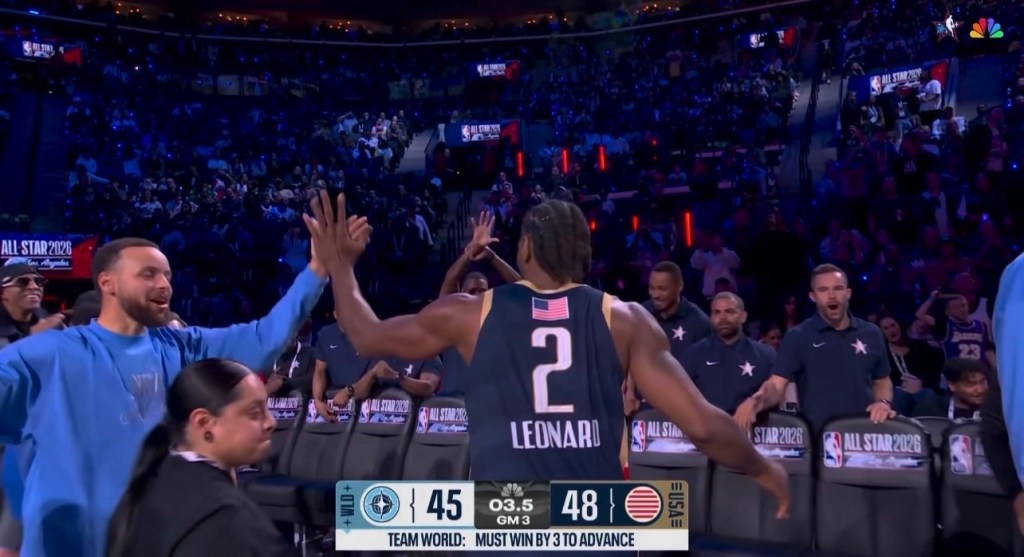
Game three brought elimination stakes. In that setting, Kawhi Leonard delivered, closing out Team World and securing Stripes’ spot in the championship game against Team USA Stars. The narrow margins throughout the round-robin stage reinforced the urgency created by the new format.
However, the championship game lacked the same tension. Team USA Stars asserted control early and never allowed Stripes to establish rhythm, pulling away for a decisive 47–21 victory.
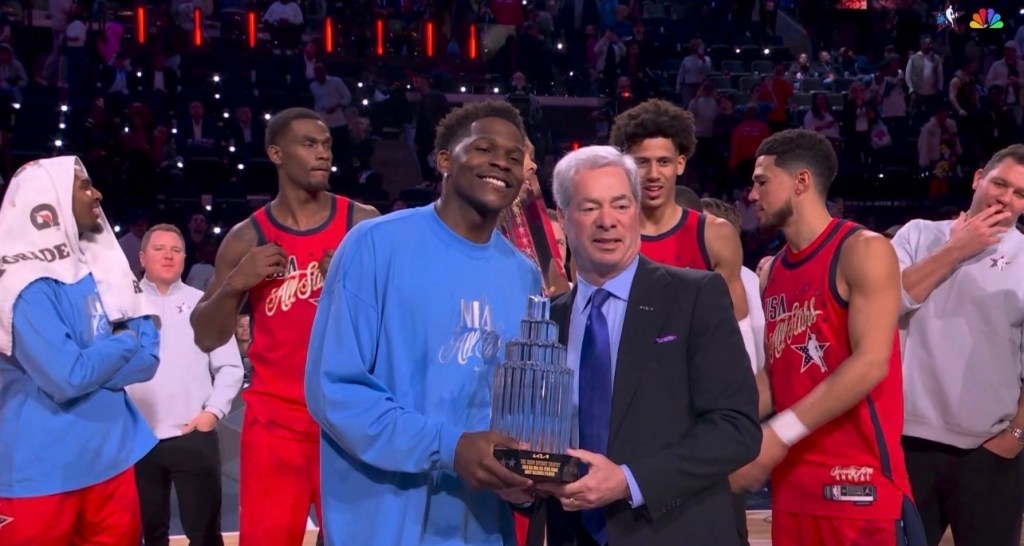
Anthony Edwards was named the Kobe Bryant All-Star MVP, earning the first All-Star MVP honor of his career after consistently setting the tone across the night’s matchups. In his postgame interview, he mentioned his hope of earning more in the future — a goal that feels attainable given both his age and trajectory.
Broadcast analyst and five-time NBA All-Star Reggie Miller noted that the veteran-heavy Stripes appeared to have tired legs in the final, suggesting youth played a role in the lopsided result. Even so, the earlier competitiveness demonstrated the structure’s potential. While roster balance ultimately shaped the championship outcome, the bracket-style format restored stakes and urgency to much of the evening.
The visible effort from emerging stars like Wembanyama and Edwards, combined with the veteran competitiveness of Leonard and James, gave the All-Star Game a different feel. For the first time in several years, it resembled a contest rather than a ceremony.
The 75th NBA All-Star Game may not have delivered a dramatic championship finish, but it offered a blueprint for renewed intensity. If refined further, the three-team structure could extend beyond a single game. By emphasizing international representation and meaningful stakes, the format reflects the league’s global growth and offers a foundation for modernizing the NBA’s entire All-Star Weekend experience.
 City Champs Media